

Have you ever stumbled across a name in history that makes you say, “Who was this person, and why haven’t I heard about them before?” Well, Gaius Julius Sampsigeramus is one of those intriguing figures you didn’t know you wanted to learn about! Who was he, and why does he deserve a moment in the spotlight? Let’s jump right into it!
Introduction to Gaius Julius Sampsigeramus
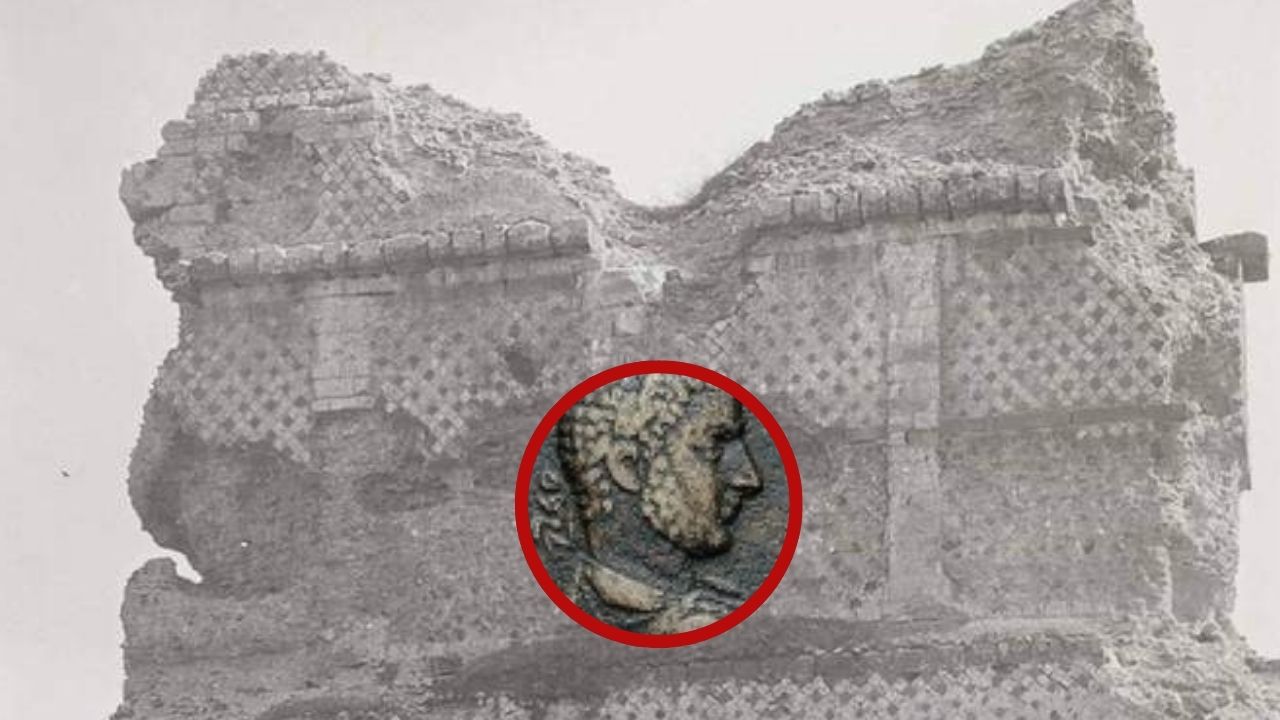
Picture this: It’s AD 78-79 in Roman Syria, a bustling and vibrant part of the vast Roman Empire. Here, we meet Gaius Julius Sampsigeramus, a Roman citizen and member of the prominent Fabia tribe. Believe it or not, he’s best known today for a famous mausoleum at Tell Abu Sabun, a monumental testament to his life and legacy. You might be thinking, “Hold on, why is a mausoleum so important?” Great question! This isn’t just any grave—it’s like a historical billboard that tells us about his life, his connections, and even a little bit about the crazy, shifting world he lived in.
Family Roots and Royal Links
Now, let’s shine a light on his family tree. Sampsigeramus, also known by the cooler nickname Seilas, connects us directly to the Emesene dynasty. Imagine this dynasty as a celebrity family in ancient regional politics and religion, famous for their role as priest-kings. His dad, Gaius Julius Alexion, was a crucial link to this influential family.
Fast forward a few generations, and we meet his descendants—people like Gaius Julius Longinus Sohaemus—who carried this legacy forward. And the names keep coming: his grandson Gaius Julius Avitus, and the great-grandkids, Julia Bassa and Sohaemus of Armenia. It’s like watching an episode of “Who Do You Think You Are?” with surprising revelations about a family’s legendary roots.
Roman Citizenship and Identity
Here’s the thing about Roman citizenship—it was more than just a fancy ID card. Roman citizens were part of an exclusive club, a big deal that came with privileges and power. Sampsigeramus didn’t just have a membership; he flaunted the *tria nomina*. That’s Latin for the three-part Roman name that shouted, “I’m Roman, hear me roar!”
Why the emphasis on being Roman? Well, it was a time when the kingdom of Emesa was swallowed up by the Roman province of Syria. Imagine if your hometown suddenly became part of a mega city—things change in a flash. While Sampsigeramus had royal connections through his family, he preferred waving his Roman club card around. It was a smart move, especially when roles were changing at breakneck speed.
The Mausoleum and Its Inscription
Let’s journey to Tell Abu Sabun, the final resting place and the site of Sampsigeramus’s grand mausoleum. Picture a grand structure meant to be seen and remembered—a bit like a personal historical marker. The Greek inscription here reads: “Gaius Julius, Fabia, Sampsigeramus also called Seilas, son of Gaius Julius Alexion, while still living made this for himself and his family.”
This isn’t just an etching on a stone. It’s a time capsule, wrapping up his status and ambitions, keeping his testament alive even as emperors and empires changed. It’s like graffiti that says, “I mattered, and here’s why!” Not only did this mausoleum hold his remains, it also served as a declaration of his significance and the family he cherished.
Conclusion
So, what’s the takeaway from Gaius Julius Sampsigeramus’s story? It’s pretty simple: he was a guy who skillfully balanced both sides of his life—the Roman and the Syrian—during times of swift political change. His magnificent mausoleum wasn’t just a place of rest; it was a symbol of how the layers of Roman and regional Syrian cultures mixed and mingled.
History might not have given him the same fame as a Caesar or a Cleopatra, but Sampsigeramus stands out as an intriguing figure worth your curiosity. Stories like his are the threads of history, weaving together the personal and the incredible, offering us a window into worlds that once were.
Curious about more intriguing tales of business and legacy from across the ages? Click here to explore how ancient history still influences modern narratives.
Doesn’t it make you ponder what your own marker would say in the history books? Maybe it’s time to start thinking about your own story!
Also Read:
